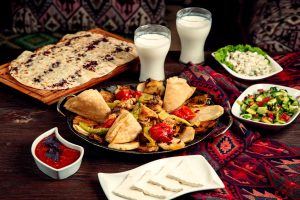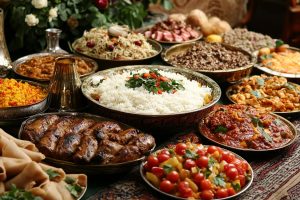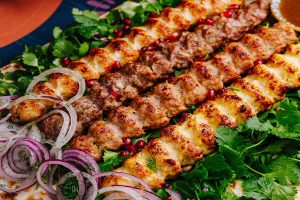
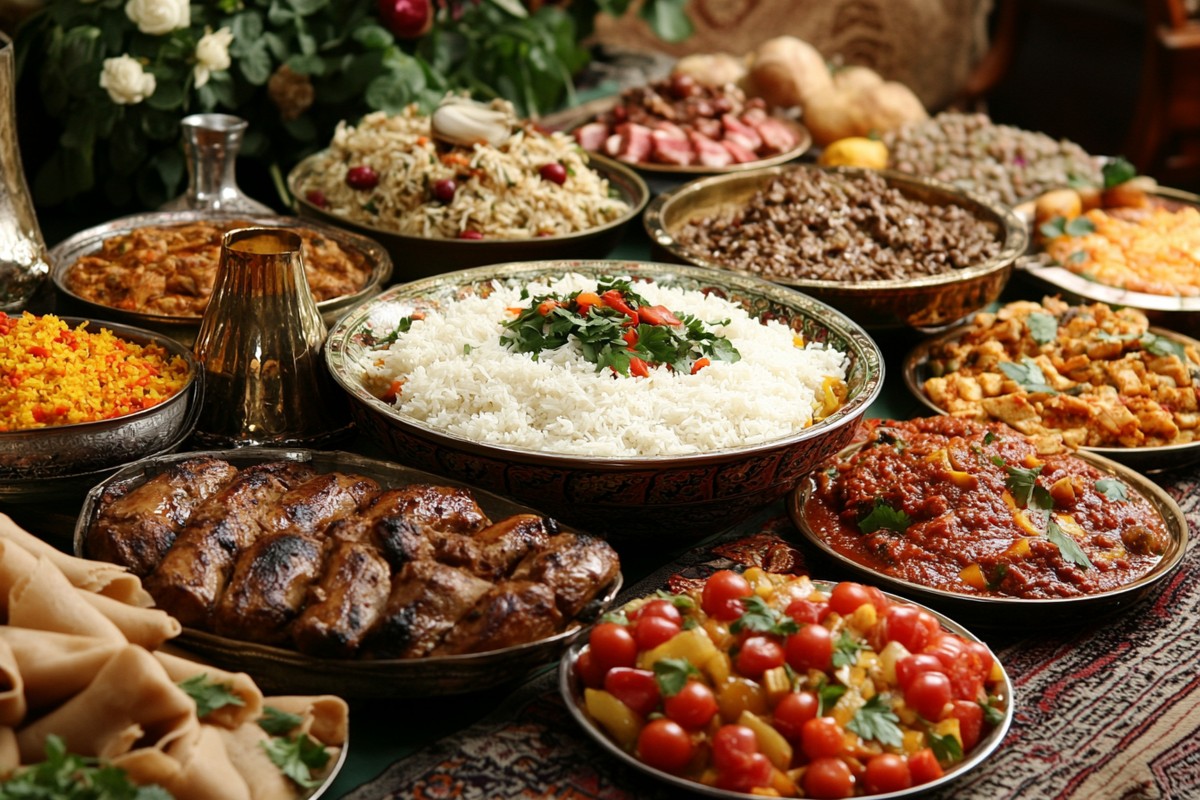
Traditional Persian food extends far beyond skewers of grilled beef and saffron chicken cooked over charcoal. While open-flame cooking attracts the casual diner, the true heart of Iranian domestic cooking lives in hours of low-and-slow simmering, aromatic braises, and complex herb profiles that balance sweet, tart, and savory notes.
In this comprehensive guide, we explore the cultural roots of homestyle Iranian cooking, break down five must-try classic dishes that move beyond the skewer, examine essential flavor pairings and dining tips, highlight practical ordering mistakes to avoid, and show why reserving a table at Kabob Village in Woodland Hills provides the ideal setting to experience these comforting culinary traditions.
The Foundations of Traditional Persian Food Beyond the Grill
At the core of traditional Persian food is a deliberate balance of temperatures and tastes, specifically the age-old nutritional concept of garmi (warming foods) and sardi (cooling foods). Rather than loading plates with fiery hot chilies, classic Iranian cooking extracts subtle, nuanced flavors from specific foundational ingredients:
- Dried Persian Limes (Limoo Amani): Sun-dried round limes that introduce a musky, smoky citrus punch to dark broths.
- Pomegranate Molasses: A thick, sour-sweet reduction that gives sauces a deep mahogany color and a glossy finish.
- Fenugreek and Sautéed Herbs: Fresh greens chopped by hand and pan-fried slowly in oil to build an earthy, savory backbone for braises.
- Aged Basmati Rice with Saffron: Cooked to yield individual, separated grains, never sticky or gummy, crowned by golden saffron water.
When you step away from the skewer, you enter the realm of khoresht (stews) and mixed rice plates (polo), where ingredients meld over several hours of gentle cooking.
Five Classic Dishes Every Diner Should Order
To truly appreciate traditional Persian food, bypass the kabob section on your next visit and focus your attention on these five regional staples:
| Dish Name | Primary Ingredients | Cooking Technique | Flavor Profile |
| Ghormeh Sabzi | Sautéed herbs (parsley, leeks, cilantro, fenugreek), beef shank, kidney beans, dried lime | Low-and-slow simmer (4–6 hours) | Deeply herbaceous, earthy, distinct citrus tartness |
| Fesenjan | Finely ground toasted walnuts, pomegranate molasses, poultry (chicken or duck) | Slow reduction and braise | Rich, nutty, complex sweet-and-tart balance |
| Gheymeh Bademjan | Yellow split peas, tender beef cubes, fried eggplant, tomato puree, dried lime | Layered simmer and braise | Tangy, savory, silky eggplant texture |
| Kashk-e Bademjan | Charred roasted eggplant, fermented whey (kashk), crispy fried onions, dried mint | Stovetop reduction and mash | Smoky, creamy, savory with sharp herbal notes |
| Baghali Polo | Aged basmati rice, young fava beans, fresh dill, tender braised lamb shank | Parboil, layer, steam, and side-braise | Floral, aromatic, meltingly rich meat |
1. Ghormeh Sabzi (Herb and Dried Lime Stew)
Regarded as Iran’s unofficial national dish, Ghormeh Sabzi demands meticulous prep work. Finely chop fresh parsley, cilantro, chives (or leeks), and dried fenugreek leaves, then sauté slowly in oil until their bright green hue darkens to an olive shade. This concentrated herb paste simmers gently with red kidney beans and cubed beef shank. The secret weapon is whole dried limes pierced with a fork; as they steep in the broth, they release an intense sour profile that cuts through the beef’s richness.
2. Fesenjan (Pomegranate and Walnut Stew)
Fesenjan showcases the sophisticated contrast that defines Persian sauces. Toasted walnuts are ground into a fine meal and simmered in water for hours until their natural oils rise to the surface. Pomegranate molasses is stirred in, transforming the mixture into a rich, dark sauce that balances between sweet and sharp. Chicken thighs or duck legs are braised directly in this velvety base until they pull apart with a spoon. It is dense, warming, and completely different from any stew found in Western cooking.
3. Gheymeh Bademjan (Yellow Split Pea and Eggplant Stew)
This stew pairs small cubes of tender beef with yellow split peas, stewed in a light tomato-and-saffron broth flavored with dried lime and a hint of cinnamon. What makes Gheymeh Bademjan stand out is the addition of tender, pan-fried Asian eggplants layered over the top just before serving. The eggplants soak up the tangy tomato broth like sponges, creating a melting texture that contrasts with the firm bite of the split peas.
4. Kashk-e Bademjan (Eggplant and Whey Starter)
Before the main course arrives, this traditional warm appetizer sets the tone for the entire meal. Char the eggplants over open flames or fry them until tender, then mash them with garlic, caramelized onions, and crushed walnuts. The dish is topped with kashk, a fermented yogurt whey that provides a salty, tangy, almost cheese-like bite, and a swirl of sizzling hot mint oil (na’na dagh). Eaten with warm, freshly baked flatbread, it is savory and deeply satisfying.
5. Baghali Polo ba Mahiche (Dill Rice with Braised Lamb Shank)
Baghali Polo elevates basmati rice from a simple side into the star of the table. Long-grain basmati is parboiled with tender baby fava beans, drained, and layered with generous handfuls of fragrant dried dill, then steamed into a fluffy mound. It is traditionally served alongside a whole lamb shank braised in a golden saffron, onion, and turmeric broth until the meat falls away cleanly from the bone.
How Chefs Build Depth in Slow-Simmered Persian Dishes
Creating the layered flavors of traditional Persian food requires time and precise kitchen technique rather than high heat.
1. Finely chop fresh herbs and sauté slowly in oil until dark olive green
↓
2. Brown stew meat separately with turmeric, black pepper, and onions
↓
3. Pierce whole dried Persian limes to expose the aromatic inner chambers
↓
4. Combine bases with bone broth and simmer on low for a minimum of 4 hours
↓
5. Balance the final broth with sour grape juice (ab ghooreh) or pomegranate
3 Pro Secrets to Building Depth in Persian Stews
- Frying the Herbs First: In dishes like Ghormeh Sabzi, adding raw herbs directly to water makes them taste like boiled grass. Sautéing them in oil first browns the natural plant sugars, concentrates the aromatics, and deepens the stew’s final color.
- Activating the Dried Limes: Piercing whole dried limes lets the hot stew liquid flow through their brittle interior, drawing out sour citric acid without releasing excessive bitterness from the seeds.
- Low-Temperature Oil Rendering: In walnut-based sauces like Fesenjan, adding cold water or ice cubes periodically to the simmering pot shocks the ground walnuts, forcing their healthy oils to separate and rise to create a glossy, dark surface sheen.
Flavor Balance: Table Sides and Etiquette
Enjoying traditional Persian food means building each bite thoughtfully at the table. Never eat stews alone; always ladle them generously over mounds of steamed basmati rice.
To keep the palate sharp between bites of rich braised dishes, balance your plate with these classic accompaniments:
- Shirazi Salad: A crisp dice of Persian cucumbers, tomatoes, and red onions dressed with sour grape juice (ab ghooreh) and dried mint. Its crisp snap cuts through heavy walnut sauces.
- Mast-o Mousir: Thick, strained yogurt folded with rehydrated wild Persian shallots. Its sharp garlic-like punch complements lamb and beef.
- Sabzi Khordan: A platter of fresh raw mint, basil, tarragon, radishes, and green onions. Tuck a few leaves into each mouthful to refresh your taste buds.
- Torshi: Pickled vegetables steeped in aged vinegar and spices, providing bright acidity alongside rich stews.
Common Dining and Ordering Mistakes to Avoid
Diners exploring traditional Persian food for the first time occasionally make simple missteps that affect the meal:
- Do not eat around the stew meat. The magic of Persian stews lives in the sauce itself. Spoon ample broth over your rice so every grain absorbs the herbs and spices.
- Avoid biting directly into dried limes. While the pierced limes in your stew are fully edible, their concentrated sourness can easily overwhelm your palate. Gently squeeze them against the side of the bowl with your spoon to release extra juice, but leave the pulp behind unless you love intense sour flavors.
- Do not skip the Tahdig. When ordering stews, ask your server if crispy rice crust (tahdig) is available. Pour a ladle of Ghormeh Sabzi or Gheymeh directly over crunchy tahdig for the best experience.
- Order family style. Persian food is communal. Ordering one stew, one rice specialty like Baghali Polo, and an appetizer to share across the table provides a far better experience than everyone ordering identical plates.
Savor Homestyle Cooking at Kabob Village in Woodland Hills
While the aroma of charcoal-grilled skewers is hard to resist, exploring traditional Persian food reveals the true range of Iranian hospitality. At Kabob Village, on Ventura Boulevard in Woodland Hills, our kitchen gives slow-simmered stews and aromatic rice dishes the care and time they deserve. We prepare slow-cooked Ghormeh Sabzi, rich Fesenjan, and fork-tender lamb shanks daily with scratch ingredients, fresh herbs, and traditional spices. Reserving a table ahead of time helps ensure your group gets relaxed seating, giving you time to sit back, share appetizers, and enjoy a complete culinary spread prepared fresh for your arrival.
Frequently Asked Questions (FAQ)
What is the best Persian stew for a beginner?
Gheymeh Bademjan is usually the easiest entry point for beginners. It features tender beef, yellow split peas, and fried eggplant in a warm, comforting tomato-and-saffron broth that tastes familiar yet uniquely fragrant.
Is traditional Persian food hot and spicy?
No. Persian cooking focuses on aromatic depth rather than chili heat. Spices like saffron, turmeric, dried lime, sumac, and cinnamon create layered, savory, and tangy notes without burning your tongue.
How is Persian rice cooked differently than plain white rice?
Persian basmati rice is soaked in salted water, parboiled briefly, drained, and then slowly steamed with butter or oil under a cloth-lined lid. This technique keeps every grain elongated and separate while creating a crunchy, golden bottom layer called tahdig.
Are Persian stews served with bread or rice?
Stews (khoresht) are almost always served over hot, steamed basmati rice (chelo). Warm flatbread like lavash or sangak is reserved for starters like Kashk-e Bademjan, salads, and fresh herb platters.
Is Ghormeh Sabzi healthy?
Yes. Ghormeh Sabzi is loaded with massive quantities of fresh dark leafy herbs (parsley, cilantro, leeks, fenugreek) and kidney beans, which provide high doses of fiber, antioxidants, and plant nutrients alongside lean beef.
Can vegetarians enjoy traditional Persian stews?
Many Persian restaurants prepare vegetarian versions of Ghormeh Sabzi and Gheymeh upon request by omitting the meat broth and beef shank, relying instead on the rich flavors of herbs, split peas, and eggplant. Appetizers like Kashk-e Bademjan and Mirza Ghasemi are naturally vegetarian.
What is the proper way to eat Tahdig with stew?
Break off a piece of the crispy rice crust with your fork, place it directly on your plate, and spoon a small ladle of hot stew directly over it. The rice’s crunch, combined with the rich broth, creates the ultimate textural contrast.
Reserve Your Table at Kabob Village
Broaden your culinary horizons beyond the grill. Visit Kabob Village in Woodland Hills for comforting bowls of Ghormeh Sabzi, rich walnut-pomegranate Fesenjan, and savory Kashk-e Bademjan, prepared fresh from scratch. Whether you are catching up with friends or gathering the family for a comforting dinner, our team is ready to welcome you. Contact Kabob Village today or book your reservation online to discover the true flavors of homestyle Persian dining.