Finding an exceptional Persian restaurant in Woodland Hills comes down to identifying traditional cooking methods, fresh herbs, and balanced marinades. Iranian cuisine relies on gentle aromatics (saffron, dried limes, sumac, and turmeric) rather than sharp heat. The San Fernando Valley has long been home to some of Southern California’s best Middle Eastern kitchens, and Woodland Hills holds a central spot along Ventura Boulevard for diners seeking classic charcoal-grilled meats and slow-cooked stews.
In this comprehensive guide, we examine the hallmarks of authentic Iranian cooking, analyze must-order menu items, outline pairing strategies, review practical ordering mistakes to avoid, and show why reserving a table at Kabob Village delivers a reliable, authentic dining experience.
What Defines an Authentic Persian Restaurant in Woodland Hills
When you step into an authentic Persian restaurant in Woodland Hills, the first aroma you should notice is charred meat over an open flame alongside saffron-steamed rice. Iranian food centers on balance, particularly the concept of hot (garmi) and cold (sardi) foods working together to create a light, satisfying meal.
Charcoal Skewers (Koobideh, Barg, Joojeh)
+
Fluffy Basmati Rice (Polo) with Saffron Butter
+
Tangy Balancing Sides (Mast-o Khiar, Torshi)
=
The Classic Persian Plate
True Persian kitchens do not rush their preparation. Beef tenderloin and lamb require overnight marinades of grated onion, yogurt, and saffron to naturally break down fibers. Stews must simmer for hours to allow dried Persian limes (limoo amani) to release their sour, earthy profiles into the broth. When evaluating a local kitchen, look for three telltale signs:
- Bread Quality: Flatbreads like sangak or lavash should arrive warm, accompanied by fresh herbs (sabzi khordan), radishes, walnuts, and feta cheese.
- Rice Integrity: Every grain of basmati rice should be separate and elongated, never clumpy or oily, topped with a streak of deep yellow saffron rice.
- Skewering Technique: Minced meats should show distinct indentations from skilled hand-pressing onto flat metal skewers, preventing the meat from drying out over high heat.
Essential Menu Items: From Charcoal Skewers to Slow-Simmered Stews
Navigating the menu at any Persian restaurant in Woodland Hills is straightforward once you understand how the dishes are categorized. Most menus split between kabobs cooked over direct coals and stews (khoresht) simmered in deep pots.
| Dish Name | Primary Ingredients | Cooking Method | Flavor Profile |
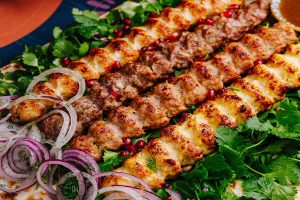
| Koobideh | Ground beef or lamb, grated onions, black pepper | Direct charcoal grill | Juicy, savory, slightly sweet from caramelized onion |
| Barg | Marinated beef tenderloin or filet mignon, flat-cut | Quick sear over coals | Lean, tender, clean beef flavor |
| Joojeh | Bone-in or boneless chicken breast/thigh, lemon, saffron | Medium-heat charcoal grill | Tangy, bright yellow, juicy |
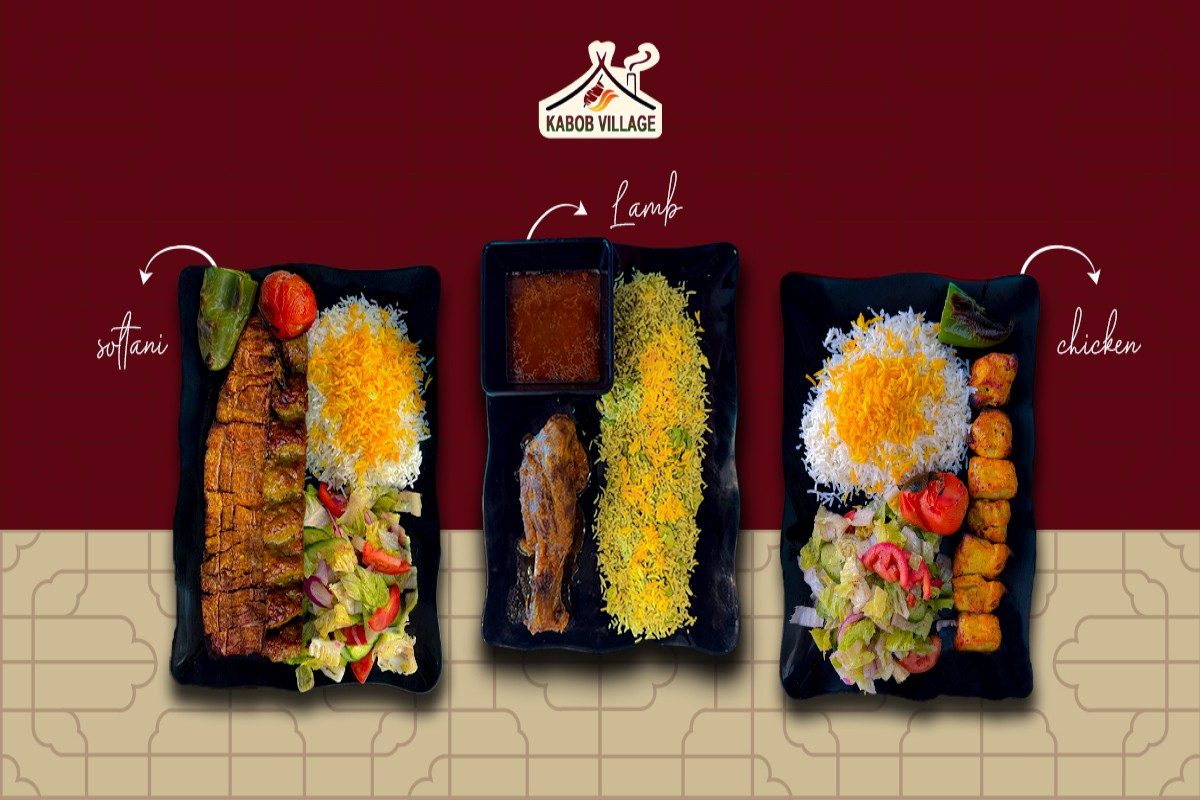
| Soltani | Combination plate of one Barg skewer and one Koobideh | Charcoal grill | Balanced variety of textured filet and rich ground meat |
| Ghormeh Sabzi | Sautéed herbs (parsley, leek, cilantro, fenugreek), beef, kidney beans, dried lime | 4–6 hour low simmer | Earthy, herbaceous, distinctly sour |
| Fesenjan | Ground toasted walnuts, pomegranate molasses, chicken or duck | Slow reduction | Deeply rich, sweet-and-sour, nutty |
Choosing the Right Kabob
If you are new to the cuisine, start with a combination plate. Soltani (meaning “for a sultan”) gives you both Barg and Koobideh on one platter, letting you compare the lean tenderness of filet against the juicy texture of seasoned ground meat.
Chicken lovers should prioritize Joojeh Kabob. The key to an authentic Joojeh is the marinade: a prolonged soak in fresh lemon juice, grated onion juice, and blooming saffron water keeps the meat tender even after passing over searing coals.
The Art of the Stew
While grilled meats take center stage for quick lunches, traditional stews reflect the heart of domestic Iranian kitchens. Ghormeh Sabzi is widely considered Iran’s national dish. The kitchen must slowly fry finely chopped herbs until dark green, then simmer them with beef shank and kidney beans. The defining note comes from piercing whole dried limes, which steep like tea bags throughout cooking.
Mastering Rice, Tahdig, and Traditional Sides
Rice is not a background carbohydrate at a Persian restaurant in Woodland Hills; it is the main event. Traditional Persian steamed rice (chelo) involves parboiling aged long-grain basmati in salted water and draining it as soon as the exterior softens. Meanwhile, the core remains firm, and the rice is steamed in a lidded pot with melted butter to form a crispy, golden crust at the bottom called tahdig.
1. Parboil aged basmati in salted water until al dente
↓
2. Layer oil, yogurt, or sliced potatoes at the base of the pot
↓
3. Mound parboiled rice gently into a loose pyramid
↓
4. Steam on low heat with towel-wrapped lid to trap moisture
↓
5. Invert or scrape: Golden Tahdig on bottom, fluffy Chelo on top
To round out your spread, order these essential accompaniments:
- Mast-o Khiar: Strained whole-milk yogurt folded with diced Persian cucumbers, dried mint, and occasionally rose petals or chopped walnuts to soothe the palate between hot bites of meat.
- Shirazi Salad: A crisp dice of cucumbers, firm tomatoes, and red onions dressed purely with unripe grape juice (verjuice or ab ghooreh), olive oil, and dried mint. No leafy greens are used.
- Torshi: Vegetables pickled in vinegar, garlic, and wild herbs, aged until tangy to cut through the richness of charcoal-grilled lamb and beef.
- Sumac Shaker: Keep the table shaker of deep-red ground sumac berries close. Dusting it over your rice and kabobs adds an astringent, citrus-like pop that aids digestion.
Practical Advice: How to Order and Mistakes to Avoid
Dining at a Persian restaurant in Woodland Hills should be relaxed, but first-time visitors frequently make a few avoidable missteps:
- Do not skip the raw butter. Plates arrive with a wrapped pat of unsalted butter nestled into the steaming rice. Fold it immediately into the grains with a pinch of sumac and raw egg yolk (if offered), so it melts into a silky coating.
- Avoid ordering kabobs well-done. Filet-based meats like Barg dry out rapidly over charcoal if pushed past medium. Trust the kitchen’s timing to preserve the juices.
- Plan your party size carefully. Portions at Iranian tables are generous by design. One kabob plate easily feeds someone with a healthy appetite, but two people can frequently share an appetizer, a stew, and a combination kabob platter with leftover rice to take home.
- Request Tahdig early. Because tahdig is limited to the single layer at the bottom of each rice pot, kitchens run out during peak lunch and dinner service. Ask your server about availability right as you are seated.
Group Dining and Reservations at Kabob Village
Whether you are hosting a family gathering, coordinating a business lunch along the 101 corridor, or planning a weekend dinner, Kabob Village offers the classic grill work and scratch-made stews that define regional Iranian food. Planning helps ensure your party gets comfortable seating during high-traffic evening hours without long waits. Booking an appointment or table reservation ahead of time ensures the kitchen can prepare family-style platters, timed so skewers leave the charcoal grill and land on your table steaming hot.
Frequently Asked Questions (FAQ)
What is the difference between Koobideh and Barg kabobs?
Koobideh is made from minced beef, lamb, or a blend of both, mixed with grated onions and spices, then molded onto a flat skewer. Barg consists of whole beef tenderloin or lamb fillet cut into thin strips, marinated in onion juice and saffron, and grilled flat. Koobideh is rich and juicy, while Barg is lean and tender.
Do Persian restaurants offer vegetarian or vegan options?
Yes. While Persian dining features extensive grilled meats, vegetarian diners can enjoy Kashk-e Bademjan (eggplant dip made without whey for vegans), Mirza Ghasemi (smoked eggplant with garlic and tomatoes), fresh Shirazi salad, lentil-raisin rice (Adas Polo), and herb platters with warm flatbread.
What makes Persian rice different from regular steamed rice?
Persian rice uses long-grain basmati that is soaked in salted water, parboiled, drained, and then slowly steamed with oil or butter. This distinct multi-step process keeps individual grains light and separate rather than sticky, while yielding the coveted crispy bottom layer called tahdig.
Is Persian food spicy?
No. Persian cuisine is aromatic rather than spicy-hot. Dishes use seasonings like saffron, turmeric, cinnamon, dried Persian limes, sumac, and fresh herbs to build complex, savory, and tangy layers without using hot chili peppers.
Can I get Tahdig with different toppings?
Tahdig can be made plain with rice, layered with thin potato slices, or baked with a yogurt-and-egg rice mixture. Many restaurants will also spoon a small ladle of stew, such as Ghormeh Sabzi or Gheymeh, over the crispy crust upon request.
How does parking work when visiting restaurants along Ventura Boulevard in Woodland Hills?
Most dining spots in Woodland Hills provide dedicated rear parking lots, dedicated plaza stalls, or valet services during evening dinner hours. Street parking is also available along Ventura Boulevard, though you should check posted signs for evening restrictions.
Can Persian food accommodate gluten-free diets?
Most charcoal-grilled kabobs (Barg, Joojeh, and lamb chops) and plain saffron rice dishes are naturally gluten-free, as they rely on meat, onion juice, citrus, saffron, and butter. However, confirm with your server that the kitchen does not use flour or breadcrumbs as a binding agent in ground-meat skewers like Koobideh.
Ready for an Authentic Persian Dining Experience?
Reserve your table at Kabob Village to enjoy hot flatbread, aromatic saffron rice, and charcoal-grilled skewers prepared fresh to order. Whether you are craving a comforting bowl of slow-simmered Ghormeh Sabzi or a classic Soltani platter for two, our team is ready to welcome you. Contact Kabob Village today or use our online reservation system to book your next lunch or dinner in Woodland Hills.