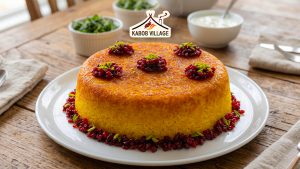
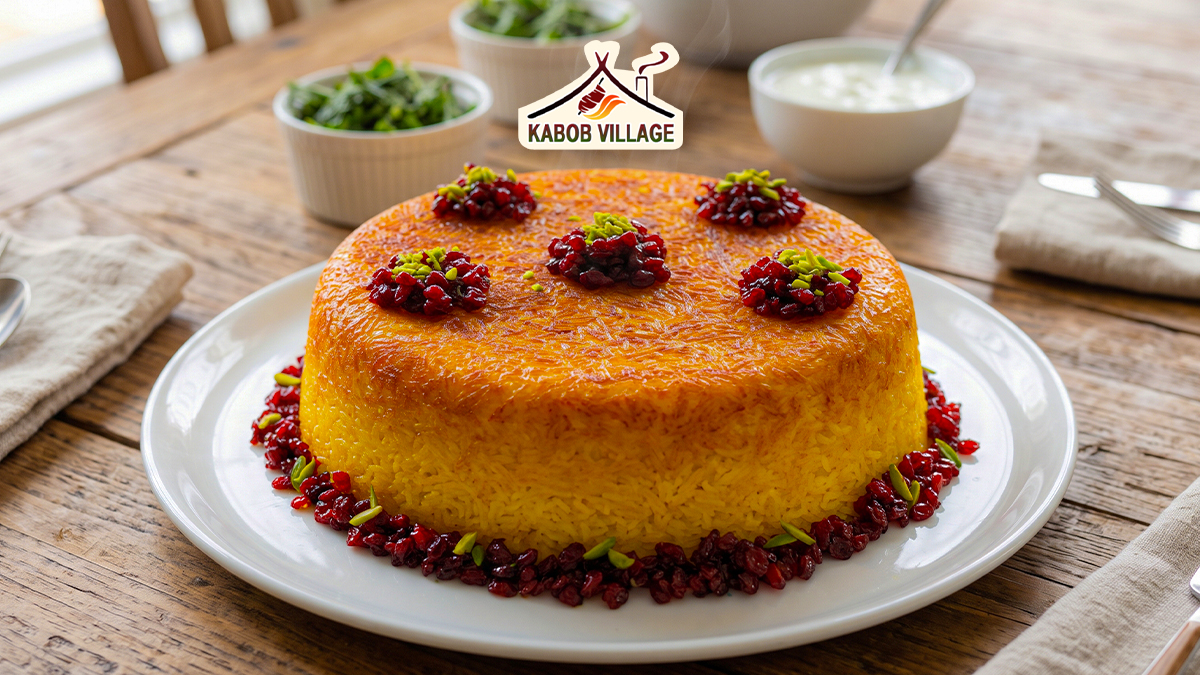
Understanding what is tahdig begins with understanding the centerpiece of Persian cooking: a golden, crackling crust formed at the base of the pot that dinner guests routinely fight over.
In this comprehensive guide, we will discuss the culinary history behind this beloved dish, break down the most popular variations, from classic saffron basmati to thinly sliced potato and lavash crusts, explore the slow-cooked stews (khoresh) that pair best with each crunch, and share practical tips for experiencing authentic crispy rice firsthand.
The Origins and Meaning Behind Persia’s Favorite Dish
To appreciate what is tahdig, it helps to know that the Persian word translates literally to “bottom of the pot” (tah meaning bottom, and dig meaning cooking pot). While food legends trace the dish back to royal Qajar court kitchens, where palace servants discovered the irresistible scorched layer left behind after cooking saffron rice for the king, the technique has been refined across Iranian households for centuries. In Persian culture, serving this prized layer signals generous hospitality. Guests are offered the crispest shards first, and an empty platter proves a successful meal.
Making it requires patience and precision. Persian cooks parboil aged long-grain basmati rice in salted water until the grains are tender on the outside yet firm in the center, drain it, and gently steam it over low heat with oil, butter, and blooming saffron. That controlled heat builds steam to fluff the upper rice while frying the bottom grains into a glassy, golden layer.
Exploring the Popular Styles: From Classic Saffron to Potato and Lavash
Once you know what is tahdig in its traditional form, you will find several distinct variations created by lining the pot with different ingredients before piling in the steamed rice.
- Classic Rice Tahdig (Tahdig-e Polo): The pure standard. Made solely from long-grain basmati, melted butter or oil, and saffron water. It yields a thin, glass-like crust with an audible crunch and a pure buttery aroma.
- Potato Tahdig (Tahdig-e Sibzamini): Thinly sliced rounds of russet potatoes line the oiled pot before the rice is added. The potatoes fry slowly, turning into savory, thick, chip-like disks with crisp edges and soft centers.
- Flatbread Tahdig (Tahdig-e Lavash or Noon): Sheets of thin lavash or pita bread are layered across the pot’s bottom. As the pot steams, the bread crisps up into rich, golden wafers that easily scoop up sauce.
- Yogurt and Saffron Tahdig (Tahchin Style): Parboiled rice is whipped with thick strained yogurt, egg yolks, and concentrated saffron before lining the base. This produces a thicker, cake-like crust that is crunchy on the outside with a tender, custardy bite beneath.
| Tahdig Style | Key Base Ingredient | Texture Profile | Best For |
| Classic Saffron | Parboiled basmati rice | Crisp, light, brittle crunch | Everyday dining, light kabob plates |
| Potato (Sibzamini) | Sliced russet potatoes | Hearty, savory, chip-like snap | Family tables, pairing with tart stews |
| Bread (Lavash) | Persian flatbread | Flaky, pastry-like crunch | Scooping rich herb broths and dips |
| Yogurt (Tahchin) | Yogurt, egg yolks, saffron | Dense, rich, cake-like bite | Celebrations, standing centerpieces |
Each version brings a different textural balance to the dining table, depending on whether you prefer delicate rice crackling or hearty fried potato slices.
Which Stews to Pair with Your Crispy Rice
Asking what is tahdig without considering its accompaniments misses half the experience, because crispy rice is designed to absorb the savory sauces of slow-simmered Persian stews. When you place a piece of tahdig on your plate and spoon warm stew over it, the edges soften while the center stays delightfully crunchy.
Ghormeh Sabzi
If you are searching for authentic ghormeh sabzi near me, you likely already know why this combination is legendary. The dark green herb stew combines sautéed parsley, cilantro, fenugreek, kidney beans, and tender braised beef, balanced by the bright, earthy tang of dried Persian limes (limoo amani). Spooning the citrusy, herbal broth over potato or classic rice tahdig creates a striking contrast between deep acidity and rich, buttery crunch.
Gheymeh Bademjan
This comfort stew features split yellow peas, simmered beef or lamb, and fried eggplant cooked in a spiced tomato sauce laced with cinnamon and dried lime. The tender, silky texture of roasted eggplant pairs naturally with flatbread or classic rice crusts, giving each bite an appealing mix of soft and crisp textures.
Fesenjoon
For festive dinners, Fesenjoon pairs crushed toasted walnuts and reduced pomegranate molasses with slow-simmered chicken. The sauce is thick, nutty, and sweet-tart. Pairing it with a crisp saffron rice crust cuts through the richness of the walnut oil, balancing the sweet and savory notes on the palate.
Common Cooking Mistakes and Practical Tips
Replicating what is tahdig at home can be challenging for beginners because the cooking happens entirely out of sight under a heavy lid.
- Use a Heavy-Bottomed, Non-Stick Pot: Stainless steel or cast iron without a non-stick coating often bonds to the starch, leaving half your crust stuck to the metal. A quality non-stick pot ensures the crust releases in large, clean sheets.
- Do Not Skimp on the Fat: The bottom layer must fry, not just steam. Ensure an even layer of high-smoke-point cooking oil or clarified butter coats the entire base of the pan before adding ingredients.
- Wrap the Lid with a Clean Dish Towel (Damkoni): As steam rises, condensation collects on the pot’s lid. Wrapping the lid in a clean kitchen towel absorbs excess moisture, preventing condensation from dripping back down and turning your crispy crust soggy.
- Listen to the Sizzle: Cook over medium-high heat for the first 5 to 8 minutes until you hear a steady, crackling fry, then drop the heat to low for 40 to 50 minutes to allow the interior rice to gently steam.
Where to Taste Authentic Crispy Rice in Southern California
For diners hunting down authentic tahdig Los Angeles food lovers consistently celebrate; restaurant availability requires careful timing. Because genuine tahdig takes nearly an hour of patient steaming per pot, traditional kitchens produce it in limited batches throughout lunch and dinner services.
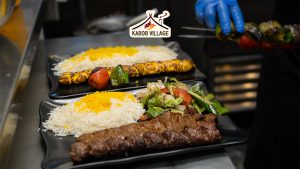
At Kabob Village, diners across the San Fernando Valley and greater Los Angeles visit specifically for this prized starter. Whether visiting the Woodland Hills location on Topanga Canyon Boulevard or the Glendale sister location on Canada Boulevard, the kitchen prepares fresh pots of fragrant saffron basmati throughout the day. You can order a dedicated platter of crispy rice topped with your choice of house-made Ghormeh Sabzi or Gheymeh, or enjoy it alongside flame-grilled Beef Barg, Koobideh, and Chicken Shish Kabobs. Because authentic portions sell out quickly during peak hours, reserving a table early or calling ahead ensures your party gets a fresh share of the day’s best crust.
Frequently Asked Questions
What does tahdig taste like?
Tahdig tastes buttery, nutty, and savory, with a delicate hint of saffron. The exterior delivers a deep crunch like a kettle-cooked chip or the crust of artisan bread, while the side touching the steamed rice stays tender and aromatic.
Is tahdig naturally gluten-free?
Classic saffron rice tahdig and potato tahdig made with pure basmati rice, oil, saffron, and salt are naturally gluten-free. However, flatbread tahdig (tahdig-e lavash) contains wheat flour and is not suitable for those with celiac disease or gluten sensitivities. Always ask your server how the kitchen prepares its daily batch.
Why do Persian restaurants run out of tahdig so quickly?
Tahdig cannot be rushed or cooked to order in a few minutes. Each pot of Persian rice requires 45 to 60 minutes of slow steaming to develop a golden crust. Because each pot yields only one bottom layer, quantities during any given service are naturally limited.
Can you reheat leftover crispy rice the next day?
Yes, but avoid the microwave, which turns the crust soft and rubbery. Reheat leftover pieces in a dry skillet over medium-low heat for 3 to 5 minutes, or warm them in a toaster oven at 350°F (175°C) until the crunch returns.
What is the difference between Tahdig and Tahchin?
Tahdig is the crispy crust layer formed at the bottom of any traditional pot of rice. Tahchin is a specific baked rice casserole dish made with yogurt, eggs, saffron, and chicken, where the entire exterior becomes a thick, golden crust.
How is tahdig traditionally served at the dinner table?
In home settings, cooks invert the entire pot onto a round platter like a cake, or break the crust into large, jagged shards and arrange them on a separate plate for guests to share alongside stews and grilled meats.
Reserve Your Table at Kabob Village
Nothing matches the sound and flavor of fresh, golden tahdig served straight from the kitchen with a bowl of slow-simmered stew. Whether you are craving tender beef koobideh, aromatic saffron rice, or the best Ghormeh Sabzi in the neighborhood, Kabob Village welcomes you for a memorable lunch or family dinner. Table reservations fill up quickly during weekend dinner hours—call our Woodland Hills or Glendale dining rooms today or book your table online to ensure your party enjoys the crispiest cut of the day.