If you have ever looked at a Persian menu and wondered why six different rice options are listed beside the kebabs, you are not alone; Persian rice dishes are far more than a plain side of carbs. In Iranian cooking, rice is treated with the same care and technique as the main protein, steamed until every long grain of basmati stays light, separate, and fragrant.
Knowing the difference between saffron, cherry, herb, and dill rice transforms how you order. In this guide, we will explain how Persian rice is prepared differently from standard steamed rice, break down the six classic rice varieties you will find on a traditional menu, give you a quick-reference pairing chart to match each rice with the right kebab or stew, explain the role of crispy tahdig, highlight common ordering mistakes to avoid, and help you plan your next dinner at Kabob Village in Woodland Hills.
Why Persian Rice Tastes Different from Standard Steamed Rice
Most Western kitchens cook rice by absorption, boiling water and rice together until all the liquid disappears. Traditional Persian rice dishes use a two-step method called chelo (parboiling and steaming) that completely changes the texture.
Here is how a traditional kitchen builds that signature fluffiness:
- Soaking aged basmati: Long-grain basmati rice is rinsed several times to remove excess surface starch, then soaked in salted water so the grains elongate cleanly without clumping.
- Parboiling to al dente: Boil the rice briefly in plenty of water until the outside is tender while the center still has a slight bite, then drain immediately.
- Slow steaming: Gently mound the drained grains into a pot over oil or melted butter and steam over low heat. Because the grains are never stirred while steaming, they stay completely separate, airy, and feather-light.
This technique also creates the golden, crunchy rice crust at the bottom of the pot known as tahdig. Instead of sitting in a heavy, sticky pile on your plate, properly steamed Persian rice absorbs the juices of grilled meats, roasted tomatoes, and tangy sumac without ever turning mushy.
The 6 Classic Persian Rice Dishes Explained
When you visit a Persian restaurant Woodland Hills locals frequent, you will usually see plain saffron rice included with every entree, plus several specialty polos (mixed rices) you can upgrade to. Understanding these six Persian rice dishes makes it easy to order beyond the basics.
1. Saffron Rice (Chelo)
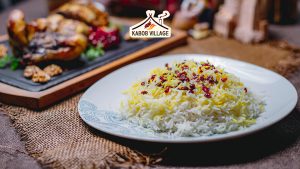
The foundation of Persian dining. Steamed white basmati rice is crowned with a vibrant layer of grains steeped in brewed Persian saffron and melted butter. It has a subtle floral aroma and a clean, buttery finish that lets smoky charcoal-grilled meats take center stage.
2. Dill & Fava Bean Rice (Baghali Polo)
A savory, herb-forward favorite made by layering parboiled basmati rice with generous amounts of fresh chopped dill and tender green fava beans (lima beans). It is deeply aromatic, earthy, and slightly creamy from the beans.
3. Sour Cherry Rice (Albaloo Polo)
One of the most distinctive sweet-and-tart dishes in Iranian cuisine. Tart Morello cherries are simmered lightly with a touch of sugar into a ruby-red syrup, then layered into saffron-scented basmati rice. The bright acidity cuts straight through rich, savory grilled meats.
4. Herb Rice (Sabzi Polo)
Packed with finely chopped fresh cilantro, parsley, chives, dill, and a hint of garlic, Sabzi Polo is bright green, fragrant, and refreshing. It is traditionally served during Persian New Year (Nowruz), though you can enjoy it year-round alongside grilled seafood.
5. Barberry Rice (Zereshk Polo)
Often called Persian Berry Rice, this dish pairs fluffy saffron rice with zereshk—tiny, jewel-red dried barberries quickly sautéed in butter with a pinch of sugar. Barberries taste sharper and more citrusy than cranberries, giving every forkful a lively tang.
6. Lentil Rice (Adas Polo)
A comforting, hearty mix of steamed basmati rice, tender green or brown lentils, caramelized onions, and warm spices like cinnamon and cumin. It is naturally filling and a staple favorite for vegetarian diners.
Which Rice Goes with Which Kebab? (The Pairing Chart)
While no strict rules are stopping you from ordering whatever you crave, traditional Persian rice dishes were developed to balance specific proteins. Use this pairing chart the next time you are deciding what to order at Kabob Village.
| Rice Dish | Flavor Profile | Best Kebab & Entree Pairings | Why the Pairing Works |
| Saffron Rice (Chelo) | Buttery, lightly floral, clean | Beef Barg, Beef Soltani, Beef or Chicken Koobideh, Ghormeh Sabzi, Gheymeh | Neutral enough to let charred filet mignon, smoky koobideh, and rich stews shine. |
| Dill & Fava Bean Rice (Baghali Polo) | Earthy, herbal, savory | Braised Lamb Shank, Rack of Lamb, Chicken Shish Kabob | Fresh dill cuts through the rich, slow-braised flavor of lamb effortlessly. |
| Cherry Rice (Albaloo Polo) | Sweet, tart, fruity | Chicken Shish Kabob, Cornish Hen, Beef Koobideh | The tart cherry glaze acts like a bright fruit reduction against smoky poultry or beef. |
| Herb Rice (Sabzi Polo) | Fresh, garlicky, green | Grilled Salmon, White Fish, Trout | Traditional coastal pairing—fresh herbs and mild garlic complement flaky grilled fish. |
| Barberry Rice (Zereshk Polo) | Bright, tangy, buttery | Chicken Shish Kabob (white or dark meat), Cornish Hen | The sharp pop of barberries balances mild, saffron-marinated chicken. |
| Lentil Rice (Adas Polo) | Warm, spiced, hearty | Beef Koobideh, Falafel Plate, Roasted Vegetables | Adds extra plant-based protein and warm spice to ground beef or vegetarian plates. |
If you are dining with a group, the smartest move is to order a mix—keep Saffron Rice with your Beef Soltani or stew, upgrade one plate to Cherry Rice or Barberry Rice for the table, and pair your seafood or lamb with Herb Rice or Dill & Fava Bean Rice.
Don’t Forget Tahdig: The Crispy Foundation of Persian Rice
No conversation about Persian rice dishes is complete without mentioning tahdig (literally “bottom of the pot”). While the upper layers of the pot steam into soft, fluffy grains, the bottom layer fries gently in oil and saffron until it forms a golden, shattering crust.
Diners searching for authentic tahdig in Los Angeles kitchens usually encounter it in two forms:
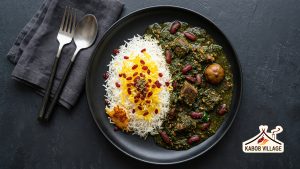
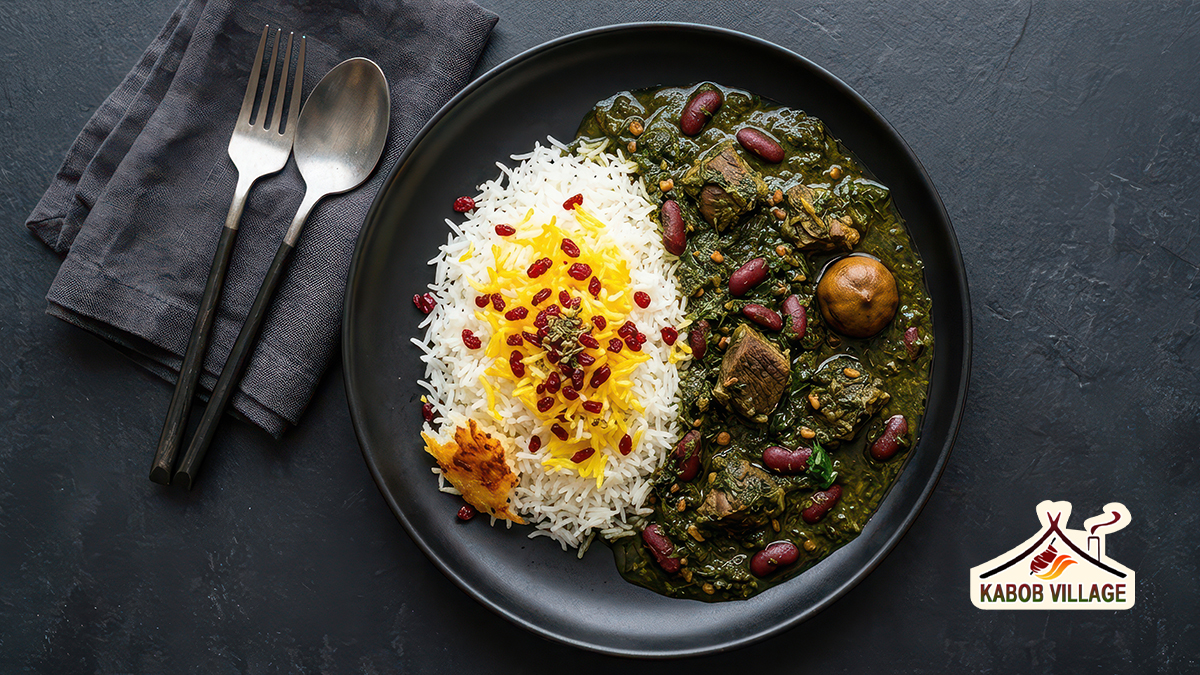
- Tahdig with Stew: A crisp slab of saffron rice crust served as an appetizer, topped with a ladle of savory Ghormeh Sabzi (herb and kidney bean stew) or Gheymeh (split pea and tomato stew). The crunchy rice soaks up the broth without going soggy.
- Tahchin: A baked saffron rice cake enriched with yogurt and egg, crisped all the way around the outside with a tender, savory center.
If you want to dive deeper into how crispy rice is made and why it is the most fought-over bite at every Persian dinner table, check out our dedicated guide to tahdig.
4 Common Mistakes Diners Make When Ordering Persian Rice
Even people who love kebabs occasionally miss out on the best parts of Persian rice dishes. Keep these four simple tips in mind at the table:
- Always sticking to plain white rice: Saffron Chelo is classic, but upgrading to Cherry Rice, Barberry Rice, or Dill & Fava Bean Rice for a few dollars can completely change the meal, especially with chicken or lamb.
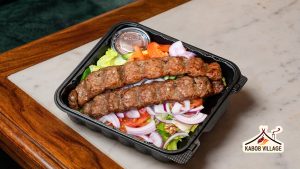
- Skipping the sumac and grilled tomato: Every kebab plate arrives with a charred Roma tomato and a shaker of deep-red ground sumac on the table. Mash the warm grilled tomato right into your rice, fold in a pat of butter, and dust the top with tart sumac. It brings the entire plate together.
- Ordering heavy stews with sweet rice: Stews like Ghormeh Sabzi (herb stew) and Gheymeh (tomato and split pea stew) are meant to be eaten over plain Saffron Rice so the stew’s broth and dried lime flavors don’t compete with sweet cherries or dill.
- Forgetting to ask for extra rice for sharing: Persian rice reheats well and stretches a family-style table effortlessly. If you are sharing a large combo like a Kabob Bowl (Kaseh Kabob) or Rack of Lamb, adding an extra side of Herb Rice or Cherry Rice lets everyone sample a second flavor profile.
Taste Authentic Persian Rice Dishes at Kabob Village in Woodland Hills
Reading about saffron, sour cherries, and fresh dill is a great starting point, but the real difference shows up the moment a steaming platter hits your table. At Kabob Village in Woodland Hills (6320 Topanga Canyon Blvd / CA-27), every batch of Persian rice dishes is steamed fresh in-house using long-grain basmati, real brewed saffron, and fresh herbs- never dry, pre-packed shortcuts.
Whether you want to pair tender braised lamb with classic Baghali Polo, try grilled salmon over fragrant Sabzi Polo, or start the table with crispy Tahdig and Stew, our team is always happy to recommend the right combination for your appetite.
Frequently Asked Questions
1. What is the difference between Chelo and Polo in Persian cuisine?
Chelo refers to plain steamed white basmati rice topped with saffron. Polo refers to rice that has been layered and steamed with additional ingredients like herbs (Sabzi Polo), dill and fava beans (Baghali Polo), sour cherries (Albaloo Polo), or lentils (Adas Polo).
2. What kind of rice is used in Persian rice dishes?
Authentic Persian rice dishes use aged, extra-long-grain basmati rice. Aging the grain reduces excess moisture and starch, which allows the rice to steam into long, fluffy, separate grains.
3. Are Persian rice dishes gluten-free?
Yes. Traditional saffron rice, dill and fava bean rice, cherry rice, herb rice, barberry rice, and lentil rice are naturally gluten-free. If you have a severe gluten allergy, let your server know so your meal is prepared away from flatbreads.
4. Which Persian rice is best for someone trying Iranian food for the first time?
Saffron Rice (Chelo) is the safest classic choice, while Barberry Rice (Zereshk Polo) or Cherry Rice (Albaloo Polo) paired with Chicken Shish Kabob is the most popular upgrade for first-time diners who want a bright, memorable flavor.
5. Is Persian rice vegetarian or vegan?
Most Persian rice dishes are vegetarian. However, traditional preparation often uses butter for richness and aroma. If you are vegan, simply ask your server for plain steamed rice or vegetable-oil preparation without butter.
6. What is the best rice to order with lamb?
Dill & Fava Bean Rice (Baghali Polo) is the classic pairing for lamb, especially braised lamb shank or rack of lamb. The fresh dill and tender fava beans balance the richness of the meat.
7. Can I order tahdig as an appetizer at Kabob Village in Woodland Hills?
Yes. Kabob Village serves crispy Tahdig with your choice of traditional stew (such as Ghormeh Sabzi or Gheymeh) as well as baked saffron Tahchin right on the appetizer menu.
Ready to Try Your Favorite Pairing in Person?
The best way to discover your favorite Persian rice is to taste a couple side by side while they are still steaming hot from the kitchen.
Reserve your table at Kabob Village in Woodland Hills today. Whether you are planning a relaxed family dinner, a date night, or a group lunch, our team will gladly walk you through our saffron, cherry, herb, and dill rice options and pair them with your favorite flame-grilled kebabs.